





In this tutorial, we explain how to integrate Tappx on AppsFlyer step by step.
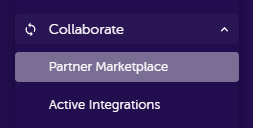
The first thing you have to do is go to the “Collaborate” section inside your Appsflyer’s account Configuration, where you will find the Partner Marketplace. It looks like this image below:
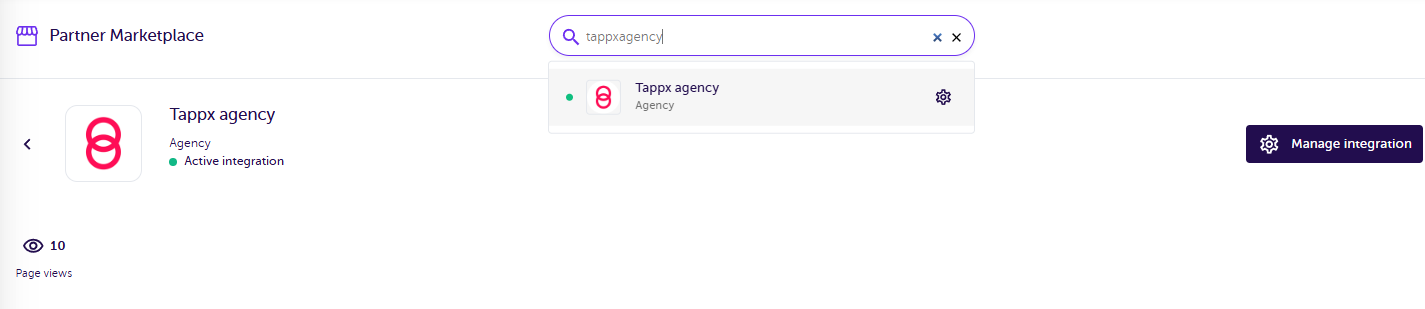
Then, you have to look for “Tappx Agency” in the search bar and select the result. After that, click the “Manage integration” button on the right.
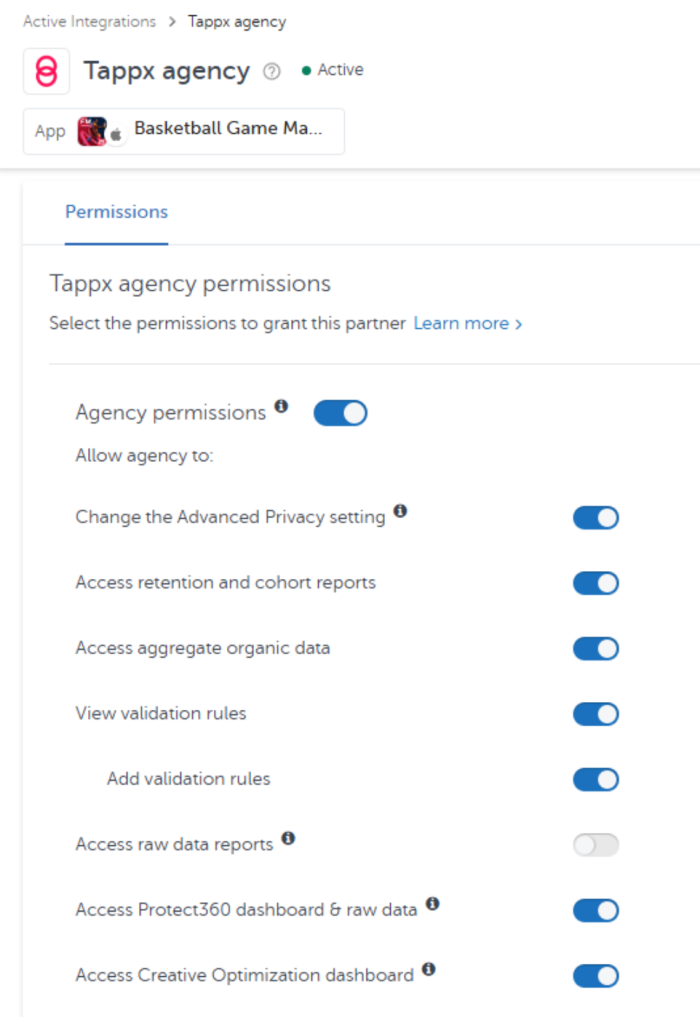
Inside the “Permissions” settings, make sure you select and enable the following fields:
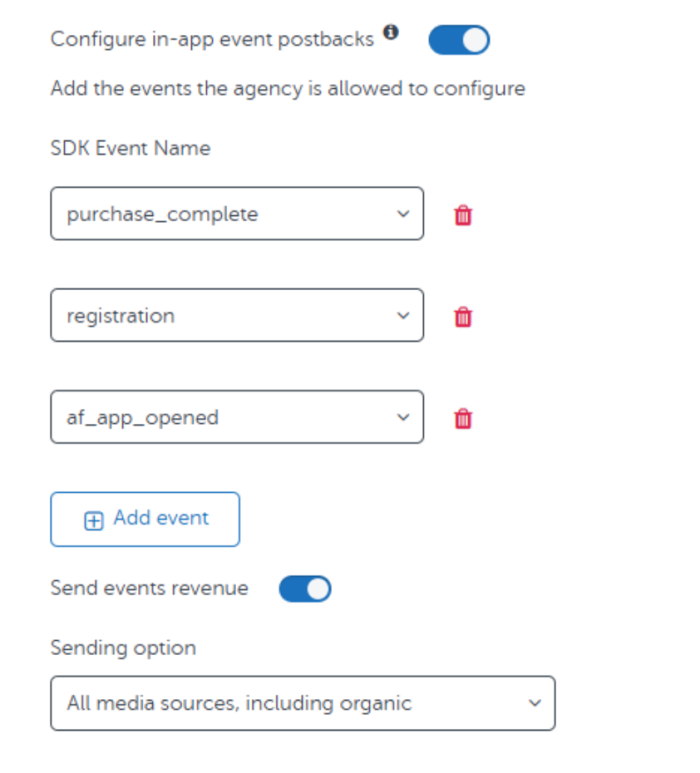
The next crucial step to integrate with AppsFlyer is to go to the “Configure in-app events postbacks” section. Thanks to the events view, we will be able to analyze and optimize the campaign’s KPIs.
Here you have to follow these steps:
Tappx, besides having its own traffic it also relies on external key partners such as Liftoff, Moloco, Mintegral, Kayzen, Unity Ads, and many more. Your Growth Manager will share the list of media sources to integrate.
Integrating them directly on your end will help us to tune their algorithm and therefore drive better results with their traffic.
Example: Unity Ads
Go to Collaborate → Partner Marketplace, open the Marketplace tab, search for Unity Ads, select it, and click Integrate. Then activate the partner.
If a key is required, your Growth Manager will provide it, and you simply paste it into both fields on the integration, for install and for events, as shown below:

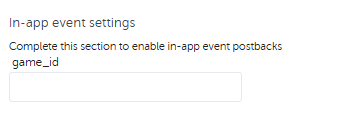
This setup enables real-time exclusion of existing users, preventing budget waste on users who have already installed the app, while also improving the performance and learning of the traffic source algorithms.
Under Default postbacks for installs select:
All media sources, including organic

And that’s it! Integrating Tappx with Appsflyer is as easy as we’ve just seen. Anyway, don’t hesitate to contact us in case you have any doubt.
Subscribe to our newsletter
Important Security Notice
Beware of scammers impersonating Tappx brand
We have identified fraudulent activities where malicious actors are imitating Tappx assets. These scams may compromise your security.
⚠️ Warning: The URL you came from has been flagged as potentially harmful.
To stay safe, only trust communications and services from the official Tappx domain: tappx.com