


AI is moving beyond answering questions. The next generation of agents will be able to search, compare, negotiate and take actions on our behalf, potentially transforming how consumers make decisions and how businesses reach them.
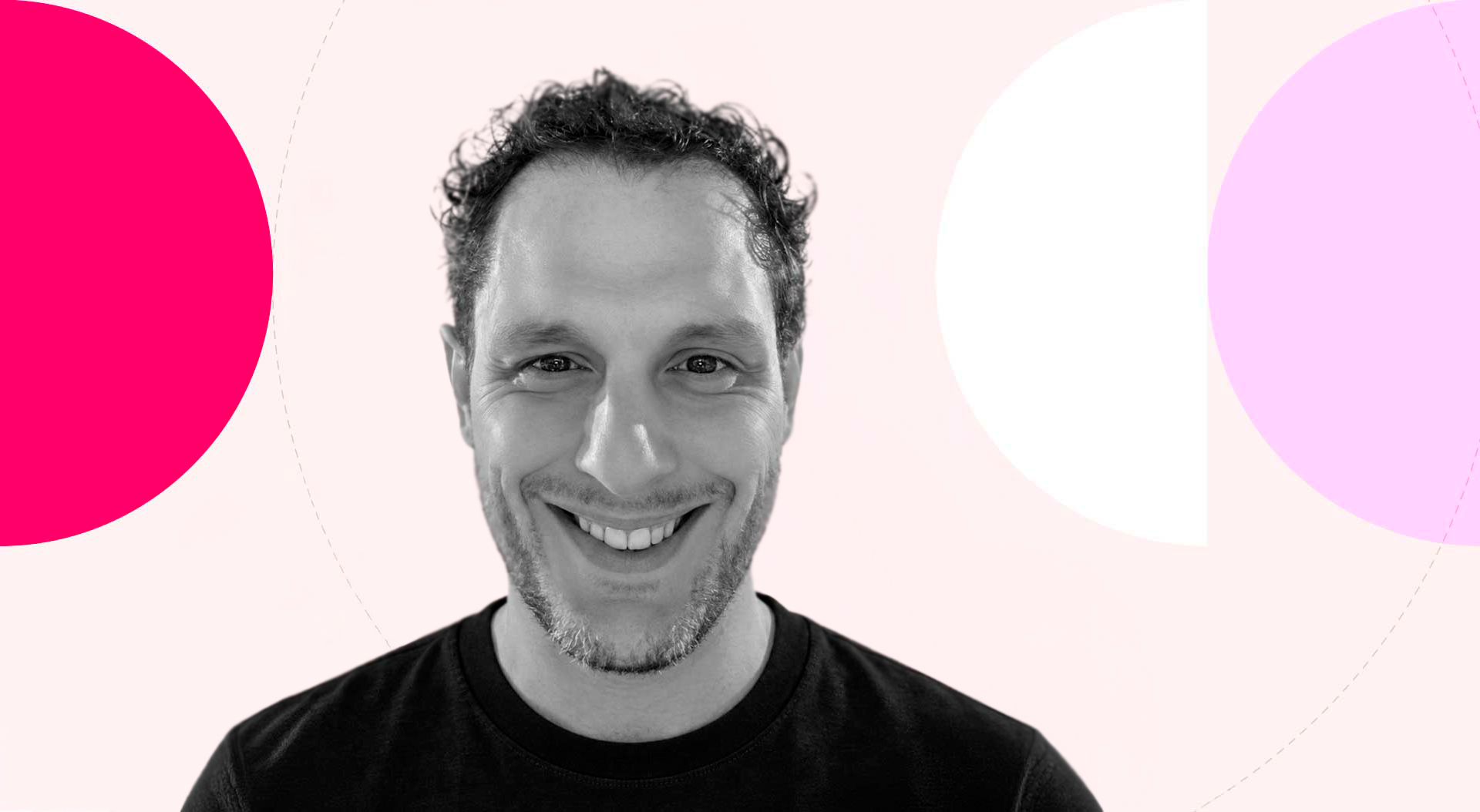
With more than 40 years of experience in technology, Mru Patel, Founder & CEO of eWealthTech Investments & eWT AI Ventures, has reviewed thousands of projects and worked across investment, AI and emerging technologies. In this interview, he explores the business models behind agentic AI, how AI agents could reshape customer acquisition, and why trust, verified data and user control will be fundamental to their adoption.
We’re moving from AI systems that answer questions to agents that can actually take actions on our behalf. From a business perspective, how significant is that shift, and what new opportunities does it create?

It is a huge shift. AI is moving from something we consult to something we authorise to act. An agent can research, compare, negotiate and execute across multiple systems. That creates opportunities to automate entire outcomes, rather than isolated tasks.
We are exploring this through ExecAI COS, an AI Chief of Staff designed to coordinate information, priorities and actions around any executive. I am personally developing it with a view to make my orchestration of tasks easier and as automated as possible. But the moment an agent acts on your behalf, permissions and accountability become critical.
After 40+ years in technology, I see enormous potential here. Capability will open the door, but trust will decide how far agents are allowed to go. With the progress from AGI to ASI this will really explode the use cases.
There’s enormous investment flowing into agentic AI right now. What separates a genuinely valuable AI-agent business model from a product that is simply adding an “agent” layer because the technology is fashionable?
Having reviewed more than 8,000 projects and personally invested or participated in over 1,000 investments and ventures, I have seen many technologies become fashionable very quickly over 40 years.
I always ask a simple question: if you remove the word “agent”, does the business still solve a valuable problem? A strong agentic business should create a measurable result—saving time, increasing revenue, reducing risk or improving decisions. It also needs defensibility through proprietary data, specialist knowledge, trusted distribution or unique workflows.
A polished demonstration may attract attention and funding. A repeatable outcome that customers will pay for is what creates a sustainable business. I see a lot of inexperienced developers and founders with little to no experience in business developing solutions which look slick but often miss the mark due to lack of business experience. To me, that breadth and depth of experience is key in a team.
If consumers increasingly delegate tasks such as searching, comparing and choosing products to AI agents, how do you think this will change the way companies acquire customers?
Brands may soon have to win the confidence of both the person and their AI agent. An agent will compare pricing, terms, reviews and verified outcomes within seconds. Clever advertising alone will carry less weight if the underlying data is incomplete or unreliable.
We see this principle within our Capital Match AI, Kairos GTM, Intelligent Due Diligence Framework (IDDF) OS, Research OS, Outreach OS, Orchestration OS and many more core multi agent products where better matching and processing with workflow depends on understanding the real requirements of companies and capital providers—not simply who markets themselves most loudly.
Companies will still need emotion, identity and human trust. But they will also need accurate, structured and transparent information that agents can verify. If the agent does not trust the data, the brand may never reach the customer.
AI agents will need access to significant amounts of personal context to act effectively on someone’s behalf. How do we balance better personalisation with privacy, security and user control?
Personalisation becomes powerful when an agent understands our goals, preferences and history. But that information may include our finances, health, location and private behaviour.
The user must remain in control of what is accessed, why it is needed and what the agent is authorised to do.
This is particularly relevant to my own journey and the development of MetaboliQ OS and Food OS, where my personal health intelligence is captured and connected. Powered by MRRRU—Metabolic Repair, Reversal Recalibration Unlocked—the platform uses personal context to provide relevant insights and recommendations. It brings together sensitive signals such as food, glucose, sleep, movement and stress. That intelligence must always be built around informed consent, robust security and clear user ownership. It is this personal context that helps guide my daily decisions about my health, metabolic condition and longevity.
My view is simple: “verified data is sovereignty”, a mantra I have for over 7 years. People should be able to inspect, correct and control the data shaping decisions made on their behalf.
Trust seems fundamental to mass adoption. What will it take for people to move from asking AI for recommendations to actually allowing it to make decisions or transactions for them?
Trust will develop in stages. People may allow an agent to book a restaurant long before they trust it to move investments or make health decisions without a second opinion.
With MetaboliQ OS, I am working to earn that trust through evidence, personalisation and verified data. The platform has already challenged advice I received from doctors, pharmaceutical approaches, nutritionists and other experts—not because expertise has no value, but because no single person can maintain a real-time, 360-degree view of the whole body.
I have built and tested more than 3,000 personal experiments and rules using my own body, supported by over 12,000 additional rules within the platform. Combined with Food OS and intelligence across glucose, sleep, movement, stress and other metabolic signals, this creates a far more connected picture.
Trust will grow much as it did with the internet. We began cautiously, questioning online transactions, sales and deliveries. Over time, as the systems proved themselves, they became part of everyday life.
Trust has to be designed into the system through verified identity, clear permissions, spending limits, audit trails and human approval for high-risk decisions.
If brands eventually have their own AI agents negotiating or interacting with consumer agents, could we see entirely new marketplaces or business models emerge from those machine-to-machine interactions?
Absolutely. We could see agents negotiating prices, bartering services and contract terms with other agents in real time.
A consumer agent might combine travel, insurance, payments and loyalty benefits into one personalised transaction. A business agent could search for capital, partners or suppliers and negotiate within limits set by the company.
This is relevant to the thinking behind our platforms such as Capital Match AI and our wider OMNIA ecosystem—using intelligence to connect needs, opportunities and verified participants more effectively.
The biggest value may eventually sit in the trusted infrastructure connecting these agents. But the foundations matter because bad data gives bad decisions at scale, and bad data largely comes from inexperienced developers and founders who are looking at AI as a quick win due to current fashion.
Subscribe to our newsletter
Important Security Notice
Beware of scammers impersonating Tappx brand
We have identified fraudulent activities where malicious actors are imitating Tappx assets. These scams may compromise your security.
⚠️ Warning: The URL you came from has been flagged as potentially harmful.
To stay safe, only trust communications and services from the official Tappx domain: tappx.com