

1 min read



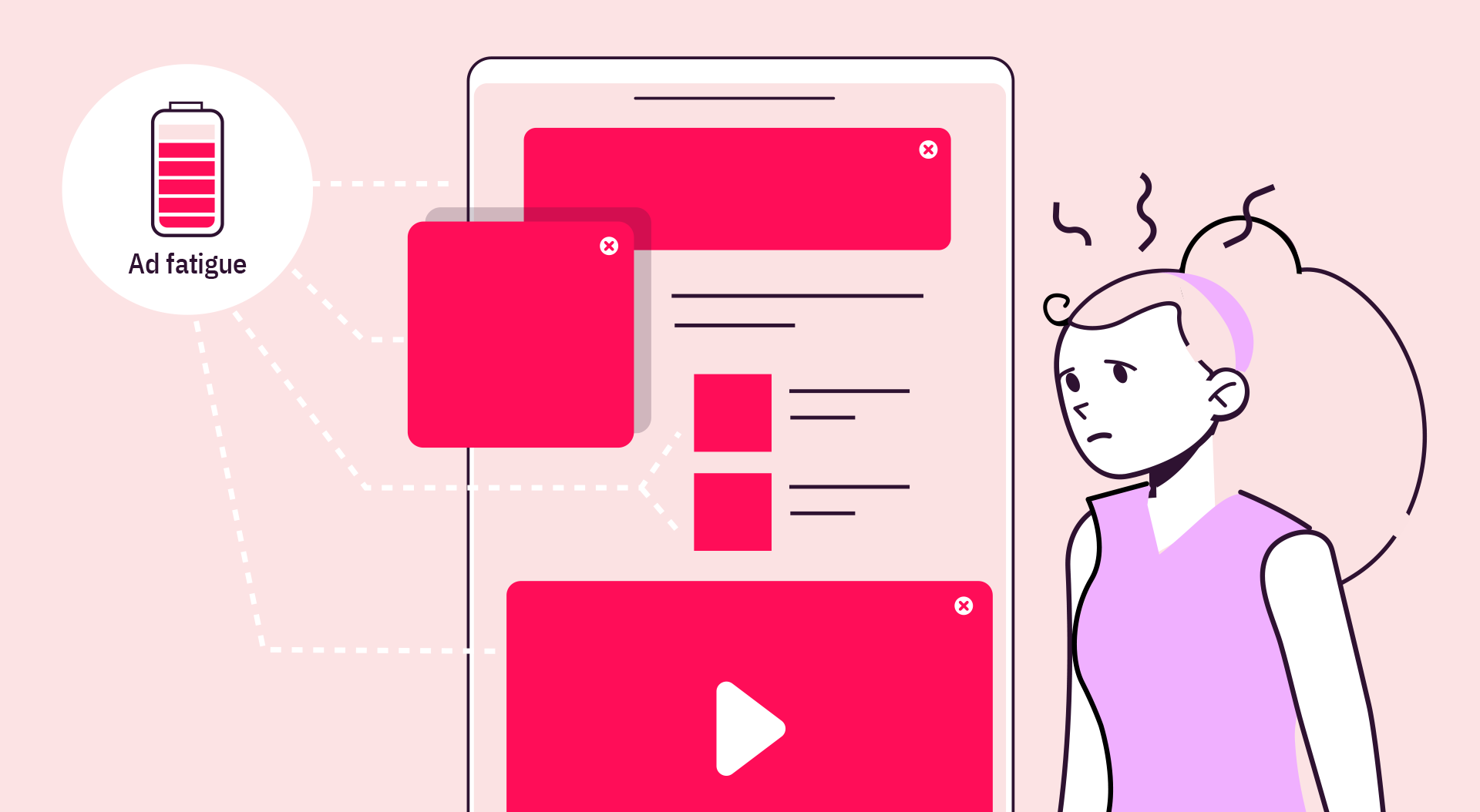
Reality: Bombarding users with too many ads leads to poor user experience, higher churn, and lower lifetime value (LTV). Monetization isn’t about quantity but about balance and relevance. Smart ad placement, frequency capping, and contextual targeting often outperform high-volume strategies.
Reality: While IAPs can generate high revenue from a small segment of users (whales), ads monetize the entire user base. For apps with large, non-paying audiences, in-app ads (especially rewarded or native formats) can be more lucrative. The most successful apps often combine both models.
Reality: Users dislike disruptive ads but not all ads. Rewarded ads, playable ads, and well-integrated native formats can enhance the user experience when implemented correctly. When users see value (e.g., free coins, extra lives), they’re far more receptive.
Reality: The install is just the beginning. Retention, engagement, and monetization are the real challenges. Most apps lose over 70% of users within the first week. Continuous value delivery, UX optimization, and lifecycle marketing are key to long-term success.
Reality: Quality is crucial—but discovery is driven by intentional marketing, ASO (App Store Optimization), user acquisition (UA), influencer campaigns, and social proof. Relying solely on organic virality is risky in today’s crowded marketplace.
Reality: Gaming leads in ad monetization, but other verticals such as finance, lifestyle, social, news, and utility apps are increasingly profitable via ads. With the right strategy and formats, non-gaming apps can generate strong ad revenue while maintaining UX integrity.
Reality: Localization is more than just translation. Cultural context, payment preferences, data privacy regulations, and ad network availability all vary. A global strategy requires country-specific adaptations to succeed in diverse markets.
Reality: No single tool is foolproof. Fraudsters evolve quickly, and real protection requires layered defenses: real-time monitoring, machine learning, manual review, traffic quality audits, and constant optimization. It’s an ongoing battle, not a set-it-and-forget-it solution.
Reality: Poorly executed push campaigns are spam. But personalized, timely, and value-driven notifications boost engagement and retention significantly. Smart segmentation and testing can turn push into a powerful re-engagement channel.
Reality: Effective monetization requires deep user understanding, A/B testing, cross-functional collaboration, and adaptation over time. There’s no one-size-fits-all formula. It’s a complex, evolving process that demands constant optimization.
Conclusion
The mobile app industry is full of potential, but also full of pitfalls. Debunking these myths is the first step toward building a sustainable, scalable, and profitable mobile product. A good app isn’t enough, you need smart strategy, constant iteration, and a clear-eyed view of the real challenges ahead.
Subscribe to our newsletter
Important Security Notice
Beware of scammers impersonating Tappx brand
We have identified fraudulent activities where malicious actors are imitating Tappx assets. These scams may compromise your security.
⚠️ Warning: The URL you came from has been flagged as potentially harmful.
To stay safe, only trust communications and services from the official Tappx domain: tappx.com