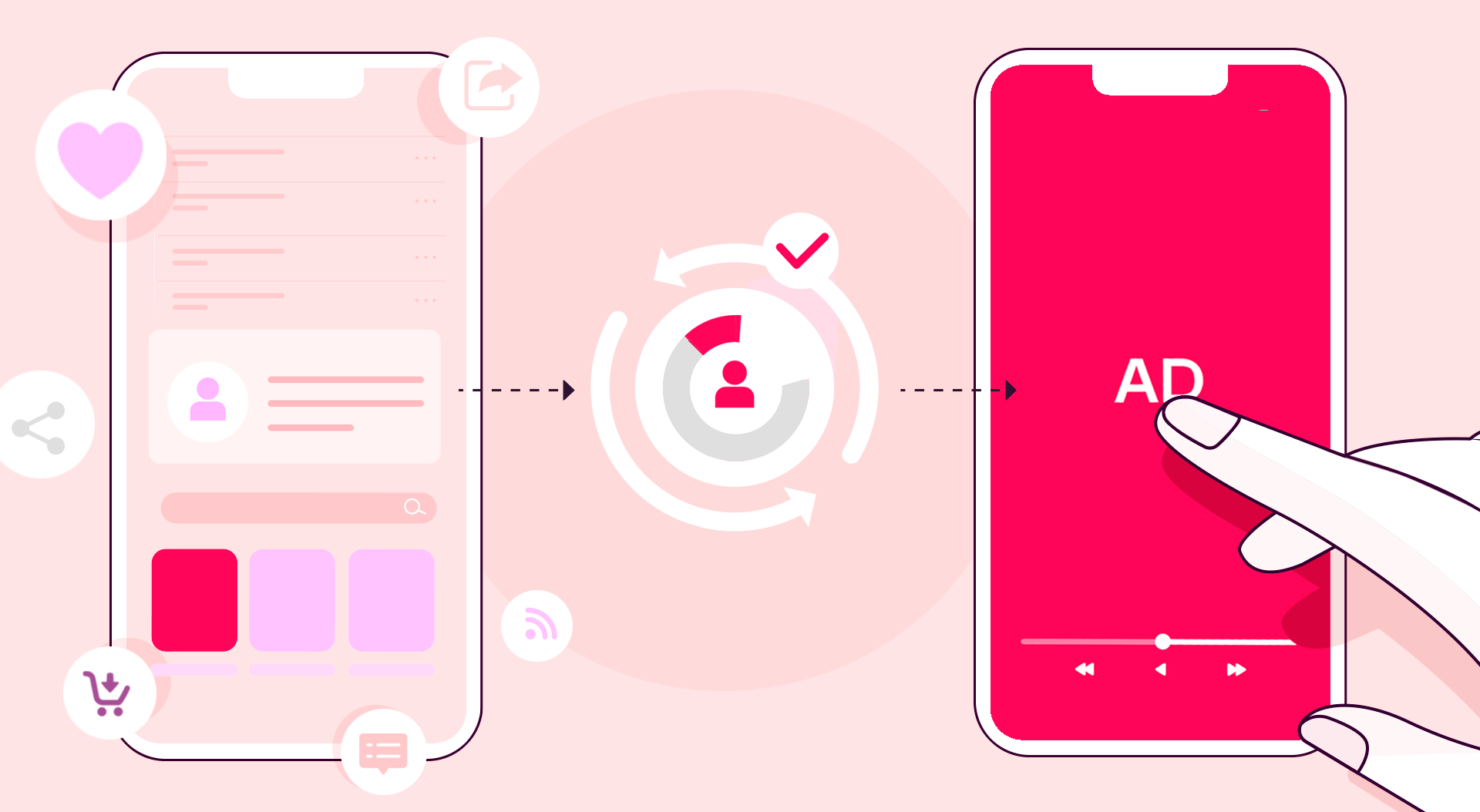






Artificial intelligence is no longer a futuristic concept: it is transforming the way consumers discover, evaluate, and choose products or services. According to the AI Disruption Index, AI is compressing stages of the traditional funnel (from inspiration to conversion) into much faster and more personalized experiences, especially through AI agents and language models that respond directly to user queries.
For brands and performance teams, this represents a dual challenge:
Some industries are particularly exposed to AI-driven disruption. Education, due to its highly customizable nature, and iGaming, with demanding users accustomed to personalized experiences, are seeing how AI can radically change the way customers are acquired and retained.
In iGaming, the immediate impact of AI on acquisition may be less drastic, as users already expect personalized interfaces and deep engagement. However, AI is changing how players compare and discover platforms: if an AI assistant suggests a competitor or a specific game, the value of traditional acquisition channels may decline significantly.
Tips and best practices:
Education is one of the verticals most vulnerable to AI. AI tools can deliver personalized learning at a low cost, reducing dependence on traditional channels. Educational platforms that fail to strengthen their own direct relationship channels with students (for example, apps with deep engagement) could be displaced by more accessible AI solutions.
Tips and best practices:
The key to turning AI disruption into opportunity is to cultivate long-term customer relationships and own your interaction channels: apps, loyalty programs, and personalized experiences that AI cannot easily replace.
Brands that invest in deep personalization, first-party data, and real engagement will be better positioned to transform disruption into growth rather than risk.
Subscribe to our newsletter
Important Security Notice
Beware of scammers impersonating Tappx brand
We have identified fraudulent activities where malicious actors are imitating Tappx assets. These scams may compromise your security.
⚠️ Warning: The URL you came from has been flagged as potentially harmful.
To stay safe, only trust communications and services from the official Tappx domain: tappx.com