

1 min read



There is a major misconception in today’s AdTech industry: assuming that the only way to capture users’ attention is by interrupting them. In a web environment saturated with floating banners, sticky ads, and autoplay videos competing for every pixel of screen space, ad fatigue is higher than ever.
And this is where Pop-Under ads demonstrate why they remain one of the industry’s most efficient direct-response traffic sources.
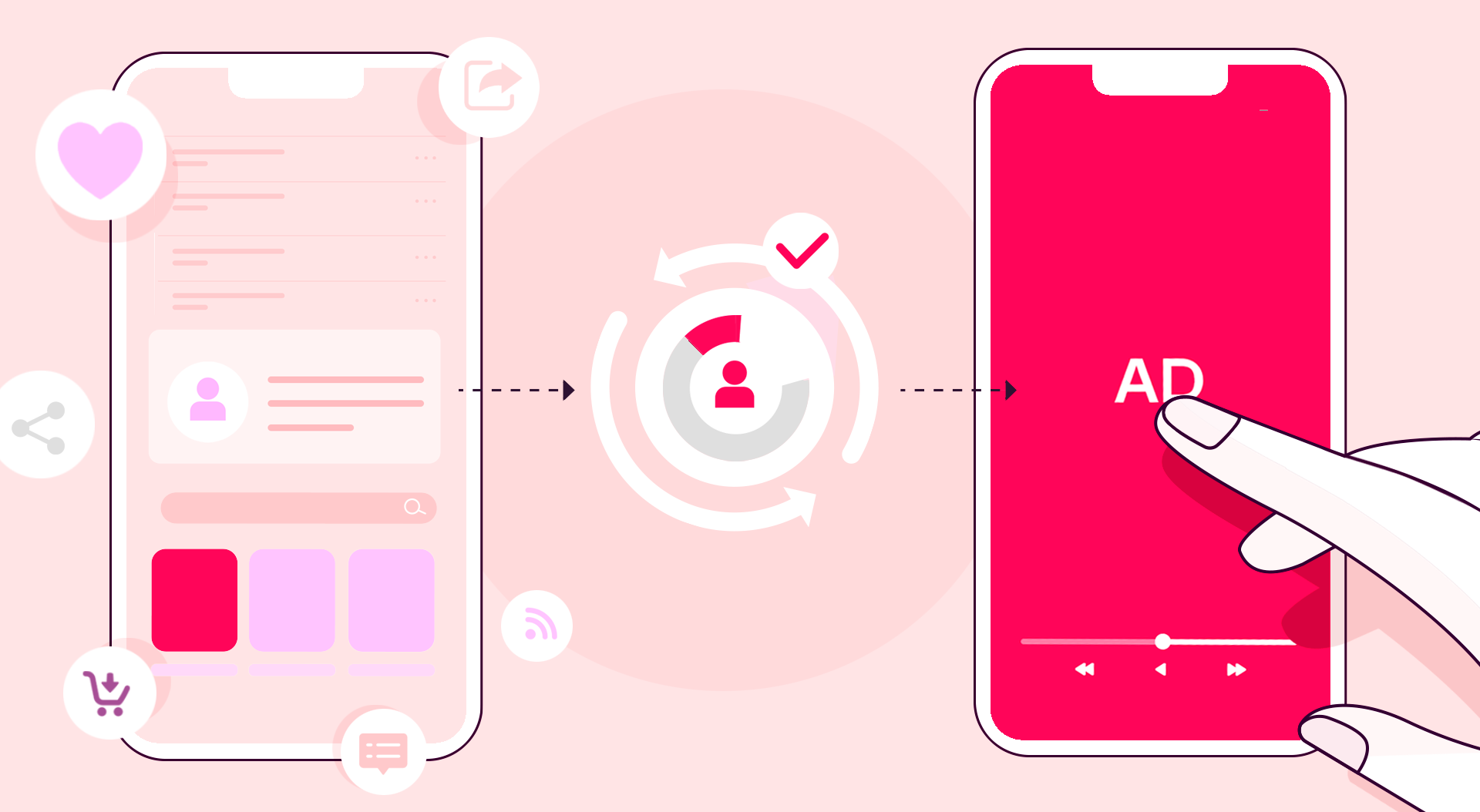
Unlike traditional Pop-Ups or intrusive display ads, Pop-Unders don’t force users to interrupt their browsing experience. Instead, they operate on the principle of passive intent: opening in the background and patiently waiting for users to finish whatever they were doing in their active tab.

When users finally switch to the Pop-Under window, they aren’t greeted by a tiny banner competing for attention with five other elements.
Instead, they discover a full-screen visual experience, free from distractions and competing advertising messages.
Because Pop-Unders load behind the active browser window, they don’t block the primary content.
Users discover the value proposition after completing their reading or browsing session, at a moment when they may be more willing to explore additional tabs.
Browsing habits have evolved. We’re now accustomed to managing dozens of open tabs simultaneously.
A well-optimized Pop-Under landing page doesn’t necessarily feel like an intrusion. Instead, it can be perceived as additional content or a suggestion that users can explore at their own pace.
Pop-Under campaigns don’t fail because of the format itself, but because of a lack of technical sophistication.
To maximize ROI without compromising the user experience, successful execution relies on three essential pillars:
Pop-Under ads don’t interrupt; they complement the browsing experience.
And when you combine that frictionless approach with a relevant offer, conversion becomes a matter of timing.
Subscribe to our newsletter
Important Security Notice
Beware of scammers impersonating Tappx brand
We have identified fraudulent activities where malicious actors are imitating Tappx assets. These scams may compromise your security.
⚠️ Warning: The URL you came from has been flagged as potentially harmful.
To stay safe, only trust communications and services from the official Tappx domain: tappx.com